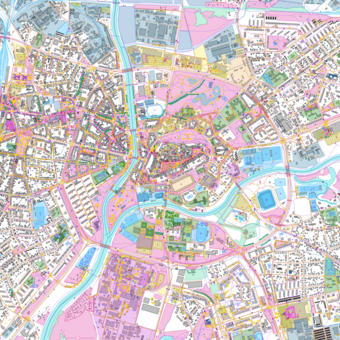
Layers
- aerialway
- aerialway_label
- archipelago_label
- aviation
- aviation_line
- bridge
- building
- building_number
- cemetery
- city_label
- commercial
- construction
- continent_label
- country_border
- country_border_disputed
- country_disputed_label
- country_label
- dam
- education
- farmland
- ferry
- ferry_label
- forest
- grass
- hospital
- ice
- industrial
- island_label
- leisure
- military
- parking
- pathway
- pathway_label
- pedestrian
- pedestrian_label
- pier
- place_label
- poi_accommodation
- poi_culture
- poi_education
- poi_food
- poi_healthcare
- poi_public
- poi_shopping
- poi_sport
- poi_station
- poi_tourism
- poi_transport
- protected_area
- protected_area_major_label
- protected_area_minor_label
- railway
- railway_label
- residential
- road
- road_exit
- road_label
- rock
- sand
- ice
- street_furniture
- sub_border
- town_label
- traffic_control
- tree
- vegetation
- water
- water_centroid
- water_label
- waterway
- wetland
- wood
- languages
How maps work
This is an intro to digital maps. It’s for everyone and doesn’t require any previous knowledge. This page should provide enough information to help you understand the basics needed for building, customizing, and implementing maps.
How a map gets displayed
In contrast to paper maps, a digital map is usually interactive, allowing you to zoom and pan (move around). However, a single map of the entire world would be too big and too slow to display. So how does it work?
In short, the world is divided into small squares called map tiles, and your browser only loads tiles needed for the current view and zoom level. It’s fast and you get an illusion of exploring a single large map.
Learn more:
- Tiles à la Google Maps: How exactly zoomable maps work and what is map projection
- Map coordinate systems: What they are and how they relate to map projection
What a map consists of
A map is essentially a combination of two things: map data (what is displayed on the map) and map style (how it is displayed). The relation of these two components is crucial for understanding how to customize a map or add something to it.